Scotland Landscape Photography - Capturing Stunning Images
Scotland Landscape Photography - The Stunning Scenery Of The Scottish Highlands
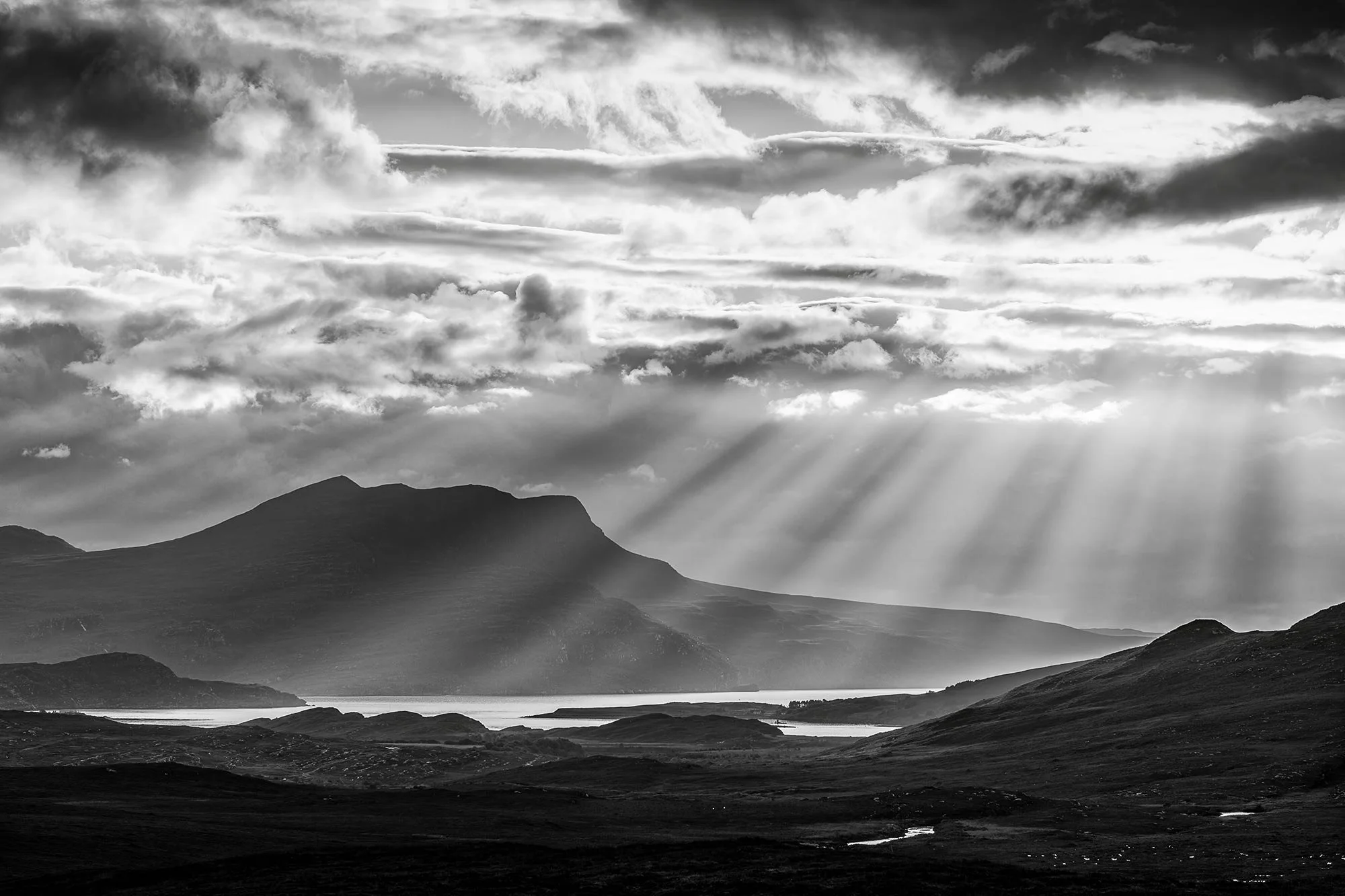
Scotland landscape photography is a dream for photographers seeking dramatic scenery, moody light and wild, untouched terrain, especially the Scottish Highlands. From the jagged peaks of the Isle of Skye to the sweeping curves of Assynt and the rugged valleys of Glencoe, the Highlands offer endless opportunities to elevate your landscape work. Below are practical, easy-to-apply tips specifically tailored to these iconic locations.
Add Impact To Your Landscape Photography - Chase Golden Hour light
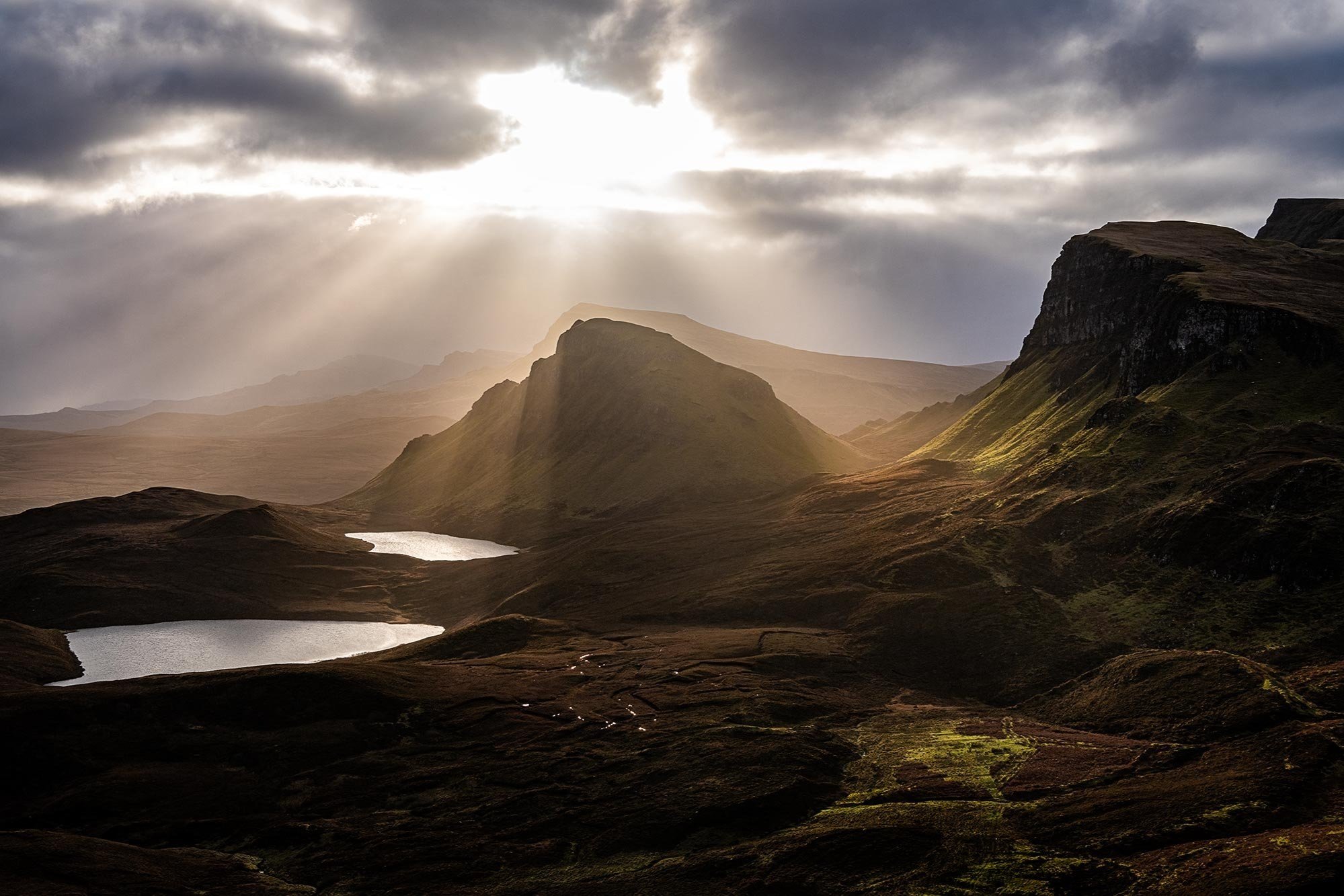
The North West Highlands of Scotland more than most places come alive during sunrise and sunset, especially in the autumn & winter months. These softer light windows add richness, depth and drama to your images and give you a great opportunity to not only capture the stunning scenery at its best but also, if you’re lucky, have the chance to spend time as these amazing locations all on your own.
In Glencoe the Three Sisters and Buachaille Etive Mòr are spectacular when lit by early morning side light.
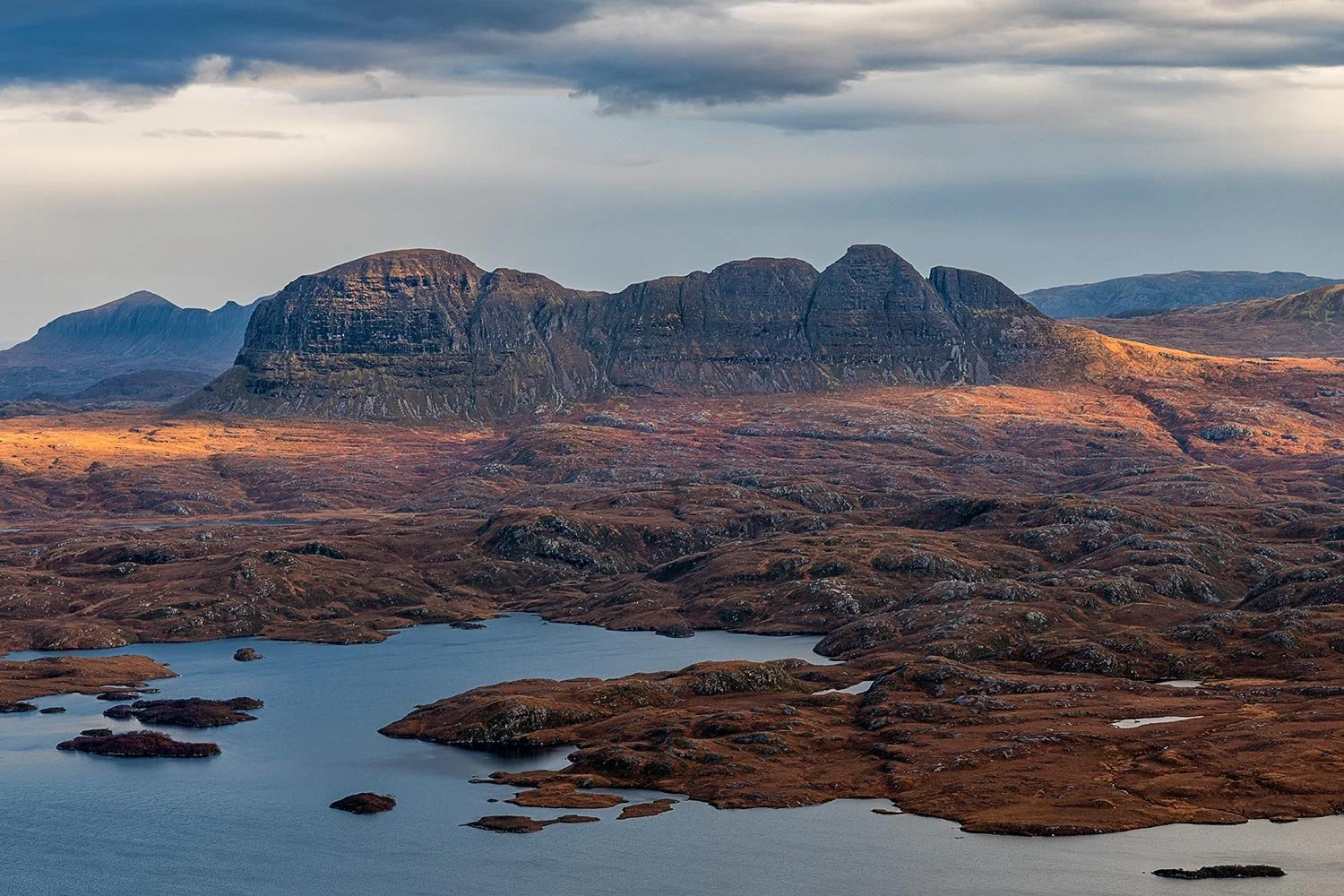
In the remote area of Assynt the low sun enhances the distinct shape of Suilven, giving your compositions a warm glow, just amazing to see.



Use Atmospheric Weather to Your Advantage
Scotland’s landscape is reknowned for it’s changeable weather but it’s this that can transform an ordinary scene into something rather special. Mist, drizzle, rolling clouds and rain create mood and depth—perfect for landscape photography.
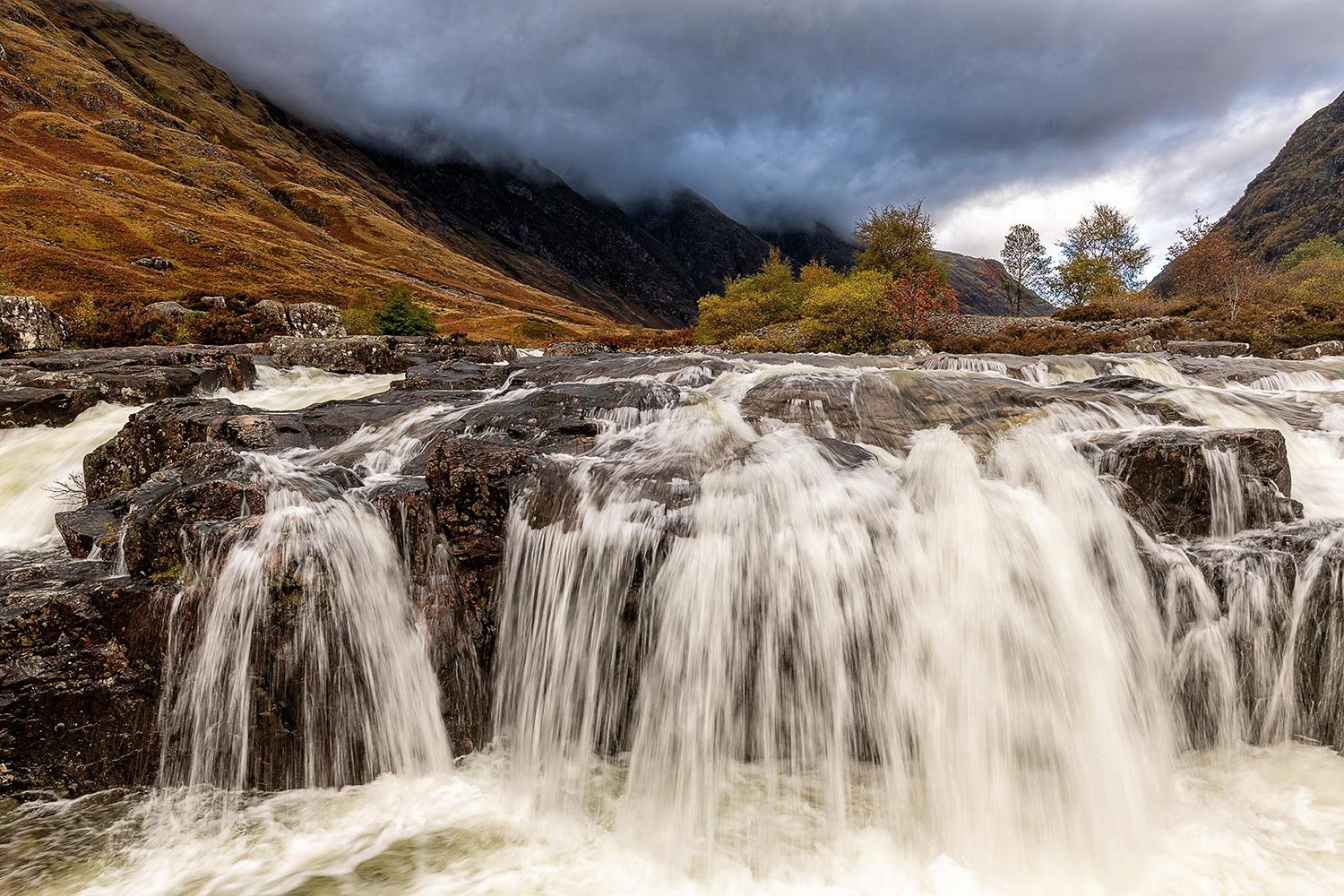
In Glencoe, weather fronts often pass through the mountain scenery creating dynamic contrast against dark mountains.
A rainy morning at Loch Maree is the perfect time to capture images a little more unique, there’s always the chance of a rainbow!
Don’t wait for perfect blue skies - your best landscapes often come from imperfect weather.
Build Strong Compositions with Foreground Elements
Foreground interest is essential element of improving your landscape images, it adds depth and helps guide your viewer’s eye to the main subject. Look for:
Rock formations
Heather, grasses and wildflowers
Rivers and lochs
Winding single-track roads
The River Coe flowing through the narrow pass of Glencoe creates some fantastic countours in the rocks and visiting waterfalls like Wailing Widow Falls in Assynt creates an opportunity for really powerful leadin lines to add depth to your images.
Carry the Right Gear for Highland Conditions
The wind and rain can be challenging, so prepare well:
Tripod: A sturdy one is essential in exposed locations.
Wide-angle lens: These can produce dramatic images but need careful use as it’s quite easy to end up with a photo that’s all foreground
ND and polarising filters: Great for smoothing water, balancing skies and enhancing colours and I also use mine quite often for reducing glare on the surface of the lochs or sea.
Lens cloths: You’ll use them constantly especially trying to photograph a waterfall in howling winds.
Don’t forget…. protect yourself from the elements too. Warm and waterproof clothing are invaluable (I’m a Goretex fan myself), you’re not going to be out long with the camera if you’re wet & cold! Also my tip for Scotland landscape photography is take a good pair of waterproof wellies with you, it’s wet and muddy pretty much everywhere you go.
Scout Your Locations Before Shooting
Researching ahead of time saves stress and helps you arrive at the best angles for sunrise or sunset. Use maps, satellite views, or even visit the day before - an ideal chance to do something useful on a day when the light or weather perhaps are kind enough to give to decent photo opportunities.. Popular spots like the Quiraing and the Old Man of Storr on the Isle of Skye and my favourite sunrise hike so far, to the summit of Stac Pollaidh in Assynt, require varying amounts of walking — knowing the routes helps you avoid rushing in low light and phone apps such as Alltrails can be invaluable if you’re heading out in the dark in time to photograph a sunrise.